Red Bull is losing the traits that made it an F1 giant
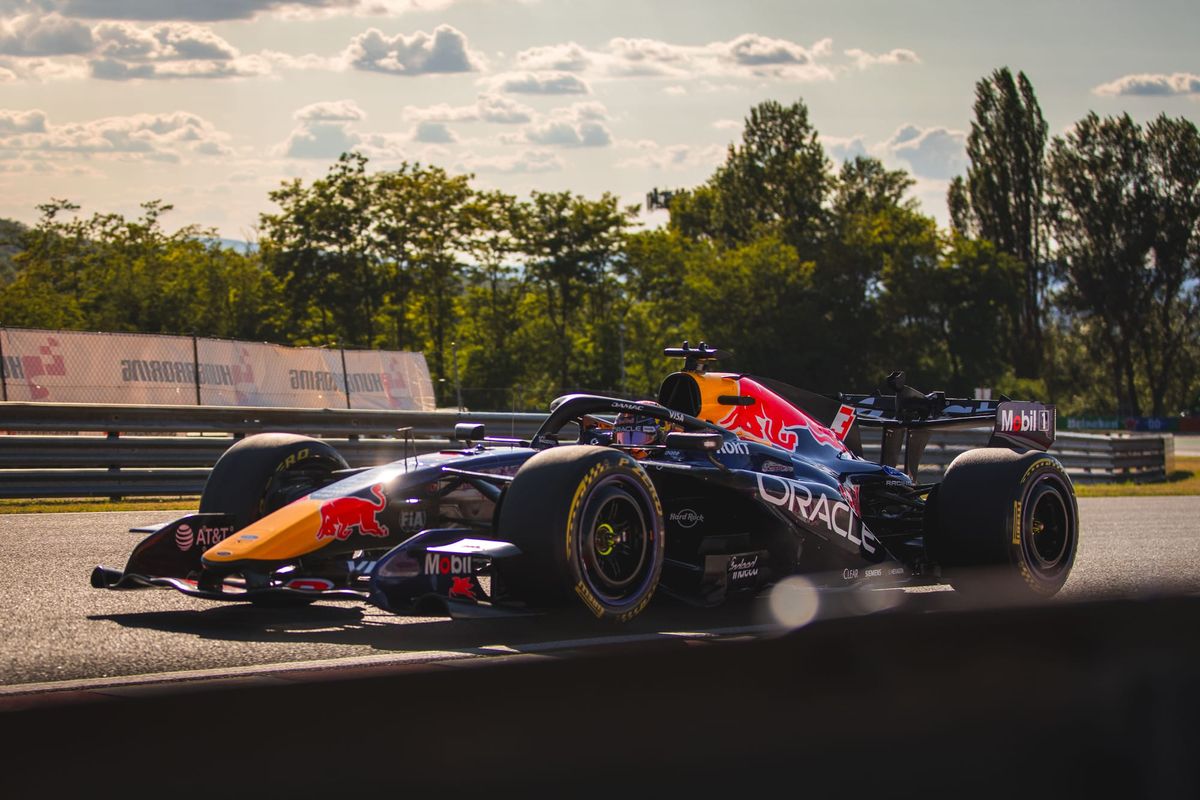
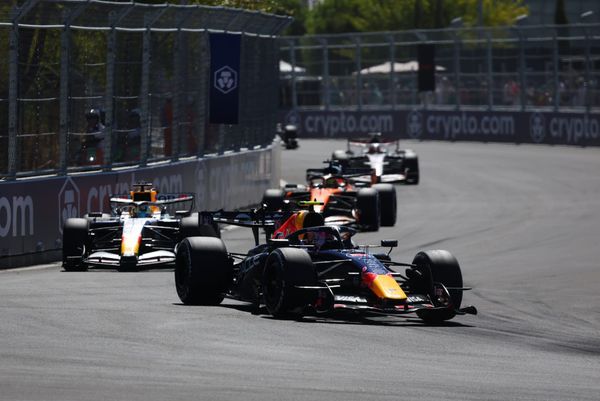
Red Bull’s ‘car degradation’ problems are well-publicised thanks to Max Verstappen’s Hungaroring complaints, but there’s a wider concern that’s difficult to pin down.
That’s what might be called team degradation and the very real possibility that Red Bull’s Formula 1 empire is slowly crumbling before our eyes.
Red Bull is not having a bad season, particularly when you consider the remarkable start made by the new Red Bull Powertrains division - but Verstappen’s frustration is entirely understandable.
There were struggles last year even though Red Bull recovered and Verstappen hauled himself to within two points of the title, but this year is a new level of difficulty for what is currently the weakest of the ‘big four’ teams in F1.
This could just be a blip, a temporary downturn before it re-emerges as a title-winning force, but it might also be a sign of decline for what could be called Red Bull 2.0 thanks to how much has changed over the past couple of years.
That doesn’t just mean the drip-feed of departures of leading personnel such as Adrian Newey, Christian Horner, Jonathan Wheatley, Helmut Marko, Paul Monaghan, who is understood to be Cadillac-bound, among others, but also a fundamental change in the way the team works from the top down.
Key to Red Bull’s success was the ability, despite its size, to function as a closely-knit team to the point where Horner described it as “like a big Formula 3000 team”.
That was a key advantage of the Red Bull culture, which made it fast-moving and able to react immediately, setting new standards for design, development, production and on-track execution that left rivals playing catch-up.
The position Horner occupied was key to that, and the positives of having a team boss with the autonomy and power he had cannot be ignored regardless of your position on the man himself. His unique position meant he was ‘only’ an employee, but had the authority to run the team the way he wanted with minimal intervention from Red Bull co-founder Dietrich Mateschitz.
One of the keys to Mateschitz’s success with the phenomenon that is Red Bull as a company was appointing the right people and empowering them to do their job. It wasn’t that he stood back completely, but instead focused on the big picture rather than being interventionist for the sake of it. He stepped in when necessary, wielding his power sparingly but with surgical precision, leaving the day-to-day detail to others.
But things began to change when Mateschitz died in October 2022.
It was perhaps inevitable that Red Bull as a corporate entity would want to assert its control over a very visible part of its empire that was largely autonomous. Horner’s ousting last year was a consequence of the desire to assert that control, but while corporate oversight is necessary for various reasons - for example ensuring proper financial management, imposing conduct standards, legal compliance, brand values, etc. - it’s detrimental for that to be done with anything other than a light touch when it comes to operations.
One of the strengths Horner had was how he played paddock politics, both publicly and behind the scenes, to his team’s advantage. This is an area where the team is now noticeably weaker.
Laurent Mekies has done a good job over the past year, but his power is vastly reduced compared to Horner. He’s not necessarily any less capable, but he lacks the autonomy of his predecessor. Oliver Mintzlaff, the CEO of corporate projects at Red Bull, has yet to prove how sharp a paddock operator he really is or that he can wield the power Mateschitz did sparingly to good effect.
It’s difficult to imagine that the politically astute Horner would have played the ADUO game as poorly as Red Bull has, after all. That was a classic F1 political battleground, and one where Red Bull has been comprehensively outmanoeuvred.
This isn’t an argument for Red Bull having Horner specifically, but for the need for a successor with something akin to the management control Horner had when working for Mateschitz. This doesn’t even have to be one person, as there were others working with Horner at the leadership level at Red Bull in the past, and McLaren’s Zak Brown/Andrea Stella axis is also a good model.
Like all F1 teams, Red Bull requires on-the-ground leadership with sufficient control to do the job without being restricted by corporate overlords. That doesn’t mean total freedom to do whatever you want, but the ability to operate in the way required to thrive in so competitive and esoteric environment as F1.
Red Bull’s success is thanks to thinking outside the box, being edgy, doing things differently, but of late it has become one of the most bland and ‘ordinary’ teams in the paddock in terms of how it operates publicly. There are also question marks about the team technically, with persistent balance problems and erratic performance of the RB22.
It’s not that Red Bull is failing technically, but it has slipped backwards and struggles to have a firm grasp on the development direction and characteristics needed for a consistent car.
It’s important to note that problems arose even before last year, indicating that there are concerns about more than just the style of leadership. Even when it comes to race-weekend execution, there are signs of deterioration.
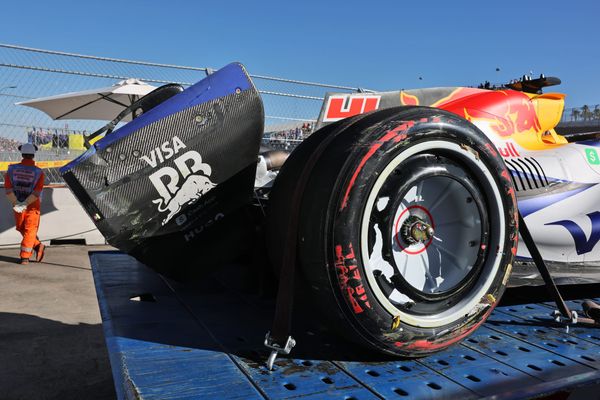
Red Bull was once the gold standard for pitstops, but now it’s slipped back. In DHL’s pitstop championship, it’s still ranked fourth. That’s respectable, but it’s behind junior team Racing Bulls. And to add insult to injury, Racing Bulls has three of the fastest five in-race pitstops of the season, with the best Red Bull turnaround ranked only eighth.
DHL F1 pitstop standings
1 Mercedes 233
2 Ferrari 183
3 Racing Bulls 177
4 Red Bull 134
5 McLaren 117
6 Audi 101
7 Williams 58
8 Alpine 49
9 Aston Martin 40
10 Cadillac 10
11 Haas 9
It’s impossible to draw a definitive conclusion, but there are reasons to be concerned - and there is an early-warning system for the outside world. Verstappen is the canary in the coal mine, because if he has faith in what he sees and experiences behind the scenes then he should be content to carry on in the long term - not just for 2027 but beyond.
What will decide whether Red Bull can rise again to the remarkable heights it has scaled is whether it can continue to operate as a razor-sharp, performance-focused organisation that isn’t slowed down by lumbering corporate leadership. It still has class-leading facilities and some of the best people in F1 throughout its organisation, but does it have the connective tissue of the right culture and autonomy to make the most of that?
It’s impossible to answer this question definitively now, because these ebbs and flows play out over years rather than months even in so fast-moving a sporting competition as F1. However, there are concerning signs, and success could hinge on the wider Red Bull company recognising where good and necessary oversight ends and limiting interventionism begins.
The raw materials are still there, but for Red Bull to rise again, it’s essential for the wider company to understand the magic formula that made it a great team in the first place.