Equivalent of 100,000 flights cut from F1's carbon footprint
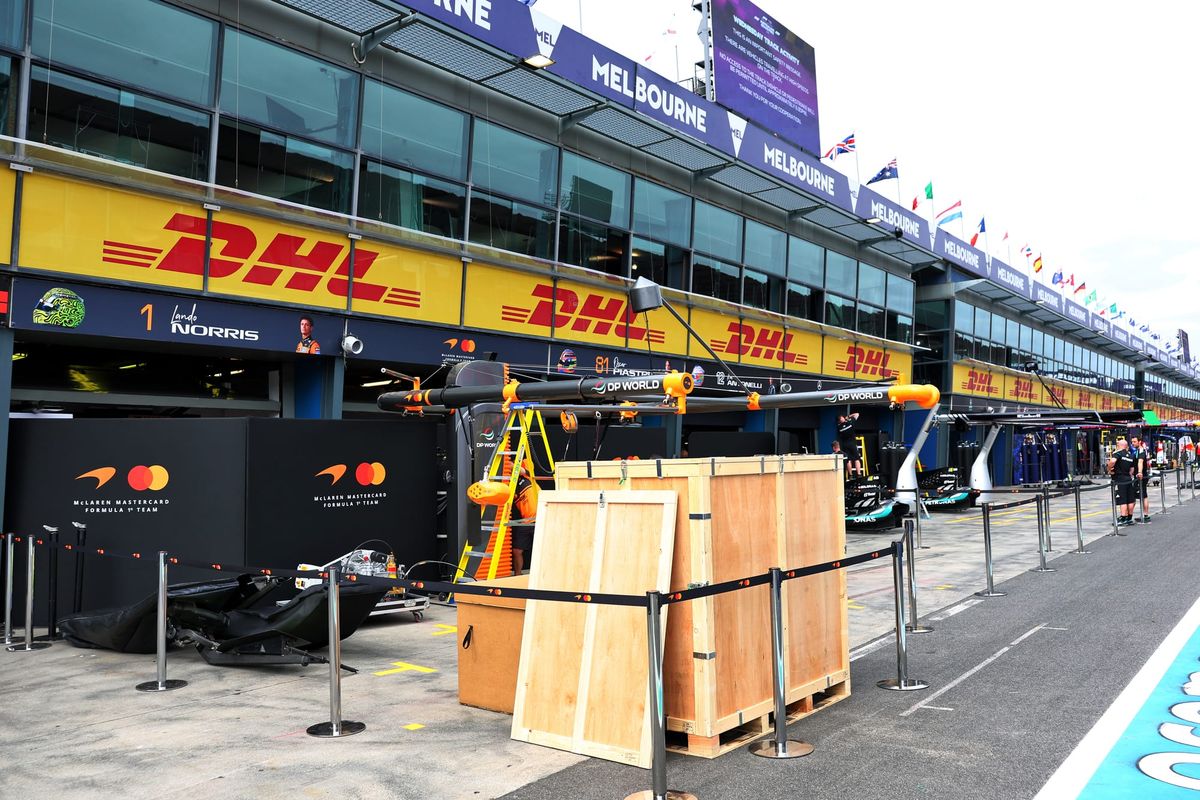
Formula 1 has now cut its carbon footprint by 35% since 2018 - which it calls the equivalent of 100,000 London-to-New York passenger flights - as it pursues its goal of becoming 'Net Zero' by 2030.
F1's latest update on its sustainability progress claims a 12% reduction last year compared to 2024 across freight, logistics, broadcast and race operations.
The reduction from a 2018 baseline of 228,793 metric tonnes of carbon dioxide equivalent (tCO2e) to 148,805 tonnes includes the use of sustainability certificates (SAFc), which represent the purchase of credits for sustainable aviation fuel produced in the supply chain.
This is an established and independently verified practice that allows companies like F1 to report lower emissions in their accounts while accelerating the supply-side development of cleaner fuels.
Without SAFc, F1 still reports a 21% reduction in physical emissions of more than 47,000 tonnes.
This practice is also done alongside practical operational changes from F1 and other stakeholders.
Emissions have fallen 64% at team factories and F1 facilities since 2018 through measures such as renewable energy contracts, while as of last year the entire European race calendar included low-carbon energy solutions within the paddock such as solar, battery and hydrotreated vegetable oil - which cut emissions in the areas used by around 90%.
F1 also has lower-carbon fuel solutions across road, air and sea freight. The biofuel truck programme on European land freight cuts related emissions by around 83% while the first investment in sustainable maritime fuel was made in 2025.
Despite the calendar increasing from 21 races in 2018 to 24 in the last two years, event operations emissions are down 6% overall and 17% on a per-race basis.
Business travel, which covers team personnel and broadcast staff on commercial flights, remains the single largest emissions category at 39% of F1's total footprint and an emissions reduction of 27%.
This reflects the fact that global air travel is effectively a necessary evil for a world championship covering 24 events plus pre-season testing, plus the growth of F1 in recent years means more personnel travelling to races - hence the purchase of sustainability certificates becomes a key lever for further reductions.
F1 says that emissions from travel will continue to decrease as a result of the calendar rationalising in effect from this year - with races continuing to be grouped together more by region - but also as teams scale their fuel investments and FOM's own remote broadcast operations plan is expanded.
This is the most powerful tool in FOM's arsenal as it removes the need for people and equipment to travel by air. Its plan, called the Future Race Operations Programme, is to move more than 50% of broadcast and related freight from air to sea freight or regional hubs by 2030.
This would be genuine operational decarbonisation rather than certificate-based reduction and if delivered at scale will be key to F1 reaching a threshold of a 50% absolute reduction against 2018 and meeting the net zero target for 2030.