How every F1 car handles at Silverstone - Gary Anderson's insight
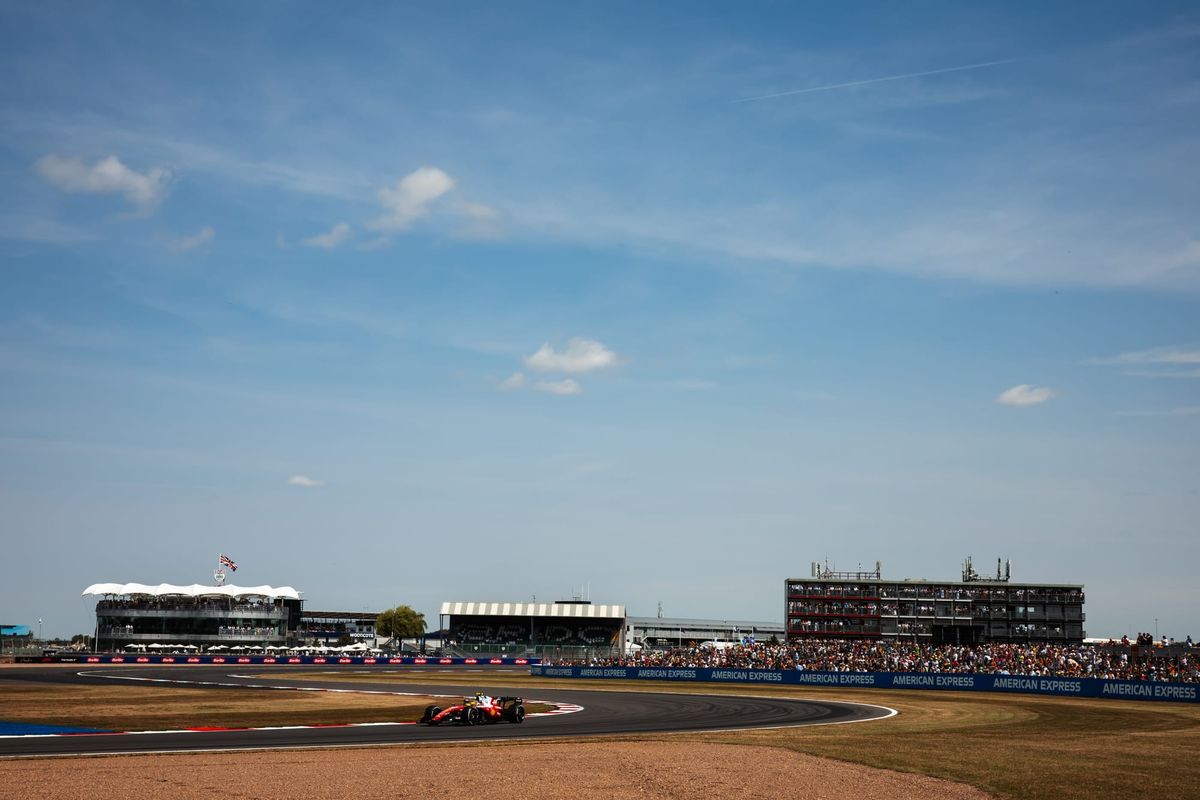
Friday at Silverstone was the first time I've seen the 2026 Formula 1 cars with my own eyes, and I have to say I'm impressed.
But that's from my view overlooking the Brooklands/Luffield sequence, and I imagine I'd have had a different reaction had I been watching at Becketts.
When you're standing trackside you only ever see one little snapshot of the lap. You don't know what's happening over the whole lap, you don't know exactly what they're doing with harvesting and deployment, and you don't know the fuel loads.
So you have to be careful not to make a grand judgement from one corner sequence. But all you can do is judge what's in front of you, and through there the cars looked good.
And most significantly, all of them looked good. Yes, some looked better than others, but none of them looked like a bad Formula 1 car.
Get more of Gary Anderson's Silverstone impressions exclusively in The Race Members' Club
What you're looking for trackside is balance. It's the grip level, which comes largely from the downforce, how responsive the car is on turn-in, how much it misses the apex by, and how much the driver has to wait for the front end to bite.
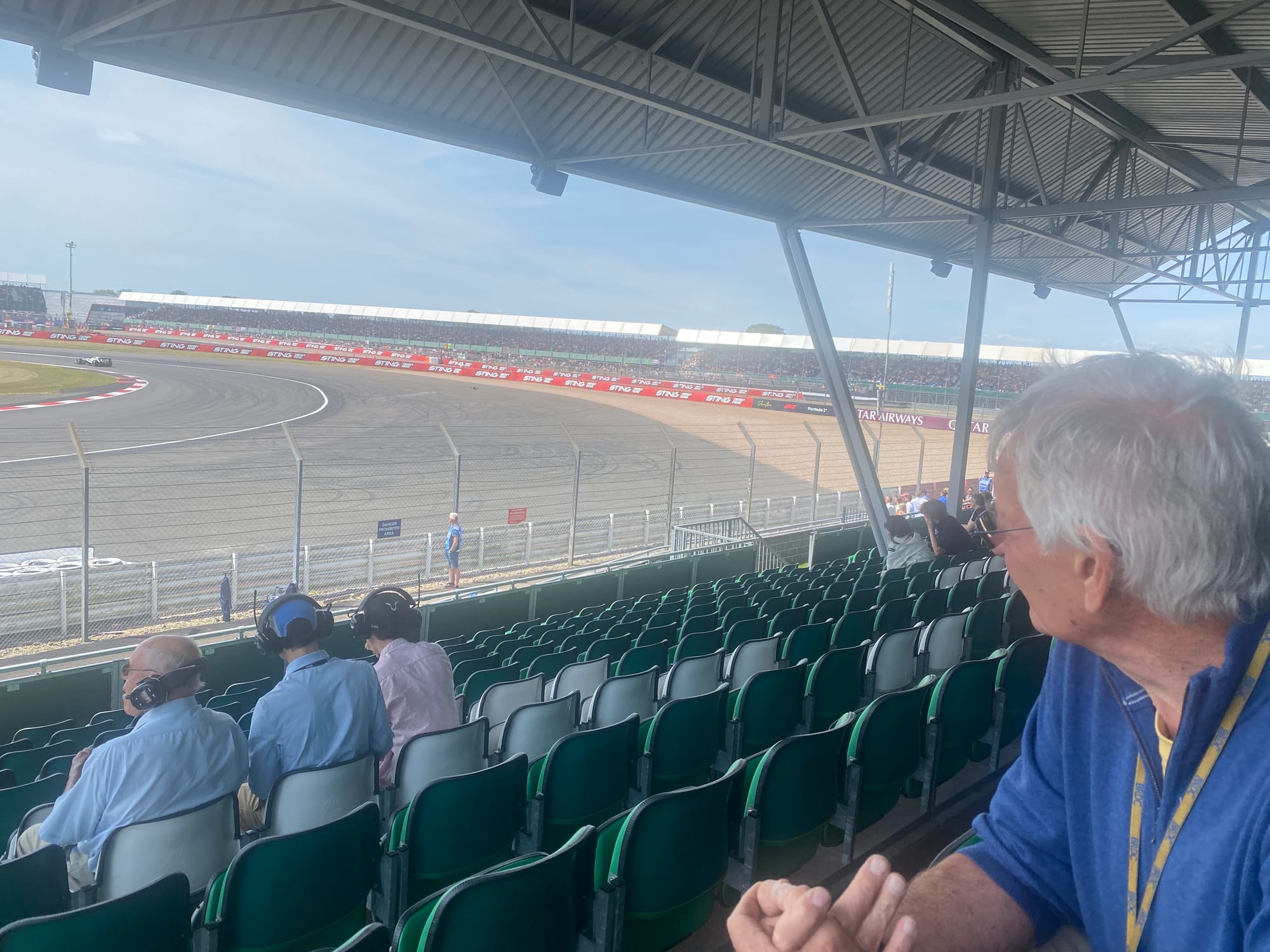
The good cars are able to hit the apex most laps and the driver can place the car where they want it. Then you get the others that go a little wide and that can be downforce, weight, or just the way the balance is.
Then there are the cars with understeer, and the worst ones are the cars that have understeer and then a little snap of oversteer. That's the hardest thing to sort out because the driver doesn't really have one consistent problem to deal with.
The smaller cars are a benefit and you can see that in the responsiveness and the better proportions of the car to circuit. The track looks wider, the cars look more in keeping with everything around them, and at Brooklands and Luffield they didn't look as lazy on turn in as last year.
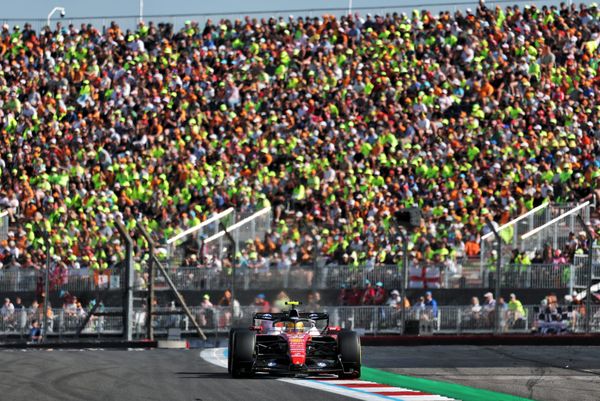
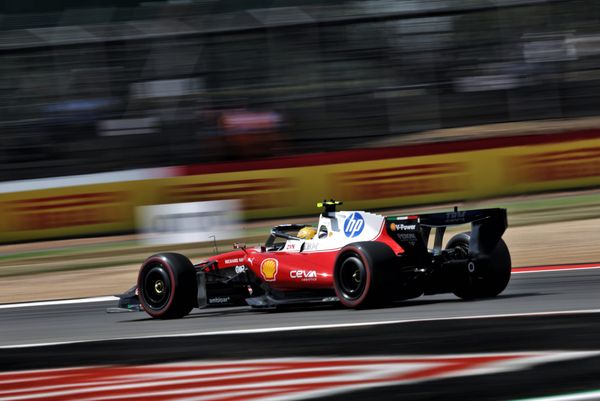
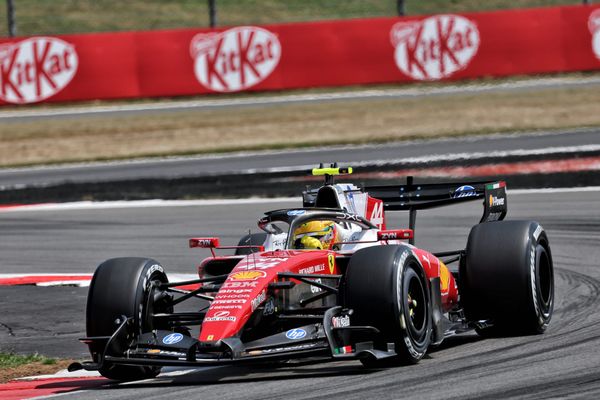
The Ferraris looked impressive. Lewis Hamilton was up there from his first lap and ended up fastest in FP1, so it's easy to say that.
But as you'd expect from a car that's currently as good as if not the best in the corners, it was strong. It didn't appear to have a lot wrong with it through that part of the lap. It looked settled, responsive and as though the driver was enjoying it and wasn't having to fight it.
The McLaren was much the same in that sense. With the top eight cars, generally, you're not looking at any big problems. One just goes a little faster than another, and a lot of that on a Friday can be 10 kilograms of fuel here or there. That's three tenths of a second, more or less, and you simply don't know what each team is doing until qualifying.
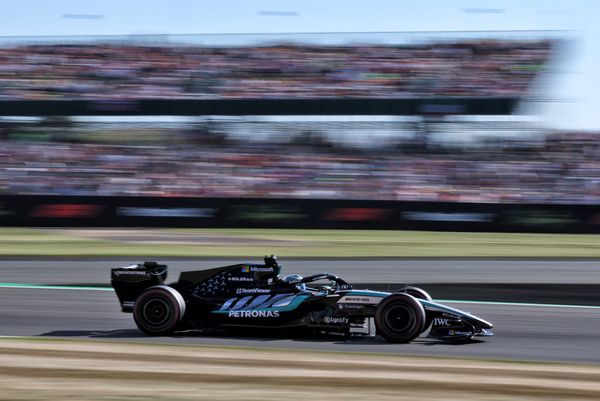
The Mercedes looked good, particularly with Kimi Antonelli behind the wheel. He uses more kerb than anybody else on the inside at Brooklands, but that's his norm whenever it's possible to do so. Some drivers do things that look dramatic if you're comparing them with others, but if they do it lap after lap and the car accepts it, then that's just how they drive. He looked committed and comfortable with it.
The Red Bull was the one near the front that didn't quite convince me. It either looked heavy, or it looked like it was lacking a bit of grip. On Max Verstappen's fastest FP1 lap he missed the apex by quite a margin. The car didn't look bad, and I wouldn't want to overstate how bad it is, but it didn't look fast through there in the way the Ferrari did.
Further back, the differences are more about what sort of problem each team has. The Racing Bulls had simple understeer. It was there every lap, but the driver knew what it was going to do. They only ran medium tyres in practice, and then made it through to the final part of sprint qualifying where they had to go to the soft tyre.
A softer tyre normally brings just a little more understeer as you gain rear grip so they need to be careful with the level of understeer they end up with.
However that understeer can help for the race, because if you've got a little bit of understeer on a one-lap run, it isn't necessarily the end of the world as in the race the rear tyres are likely to degrade earlier than the fronts. So a car that looks a little bit safe on Friday might not be in a terrible place.
The Audi was different. That had understeer, then a rear-end kick, then a bit more understeer two-thirds of the way around the corner. That's the sort of thing that needs set-up work because it's not consistent for the driver. It looked like a handful, and that's where the engineers have to give the driver a platform they can trust.
At the back, Cadillac and Aston Martin were interesting in different ways. The Cadillac looked like it lacked downforce. It was reasonably well balanced, but it was just sliding wide all the time. That looked more like downforce than weight to me.
The Aston Martin, on the other hand, looked trickier to drive. It didn't look catastrophic — none of these cars do — but it looked more awkward, more like the Audi in its own little way.
That's one of the striking things about modern Formula 1. Even the weaker cars don't look like the old backmarkers you used to see, where something was clearly miles off. They are all very decent racing cars.
Some are just less responsive, some need more consistency, some need more downforce, and some are simply midfield cars that need to do more of what they're already doing.
It's always useful to watch the step made by teams between sessions, and come sprint qualifying Hamilton and Ferrari carried forward their performance. While it wasn't a surprise to see him having the upper hand over Charles Leclerc, who at least found his feet, it was unexpected to see Isack Hadjar getting one over Verstappen even if it was just in SQ1.
It was a similar pattern in SQ2, with Hamilton leading the way, but the shape of the session was clear now with Antonelli the threat - and George Russell well off. But the crucial part was always going to be on soft Pirellis in SQ3.
Usually, the softer the tyre the more understeer and that's why you often hear the drivers or teams adding a little front wing. Racing Bulls might have gone a bit too far with Arvid Lindblad.
Still Hamilton was on top with Antonelli just 0.011s behind, although Verstappen caught the eye with a strong lap to take third.
I'll also give Racing Bulls a pat on the back as it's clearly the fifth-best team consistently now. It just needs that extra grip to close on the big teams.
In qualifying the cars all looked more or less the same as in practice through this Brooklands complex, but the drivers were just pushing that bit more. Again, no great vices but there were variations in line and ability to get the car to rotate without the rear stepping out.
The difference in fastest to slowest is less about the balance than the overall grip that each team can generate. You can't pick up a major driver difference within the same team, so when it comes to the age-old debate about what makes the difference it is clear that the car is by far the biggest part of the package. Perhaps more so than ever before.
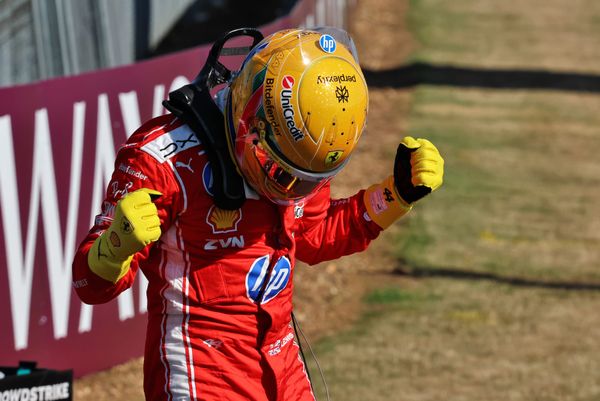
That said Hamilton has been fastest in all four individual sessions so far this weekend, so he hasn't lost any of his talent. If he can continue this trend through the weekend then he will definitely become a solid championship contender.
I was more encouraged than I expected to be by my first in-person sight of these cars. The cars look properly quick through that sequence, they look more in proportion, and the good ones look like good Formula 1 cars.
It's just a shame for the viewers and spectators that are watching from other sections of the track that the power units elsewhere aren't doing what proper F1 engines should do.