Haas has now become a painful F1 odd-one-out
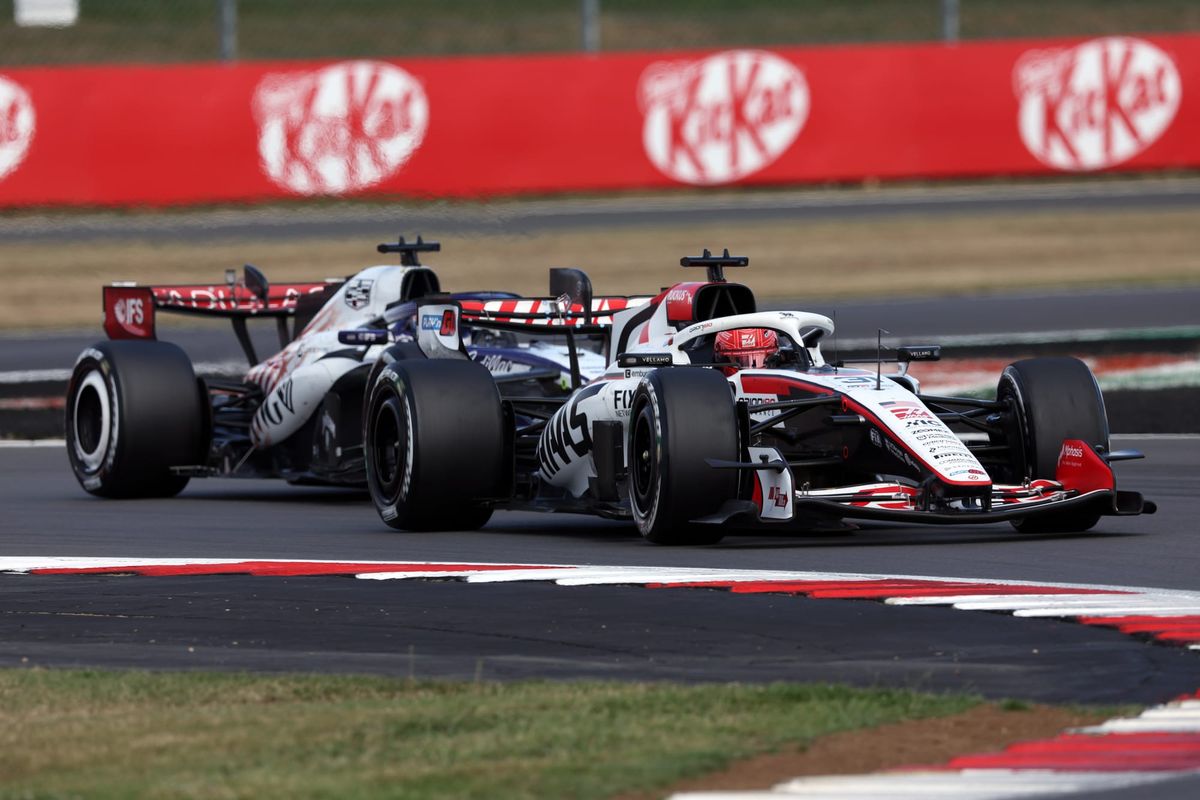
Haas is a budget cap outlier in Formula 1 and it's "not fair on our guys", according to team principal Ayao Komatsu.
The American outfit is widely recognised as F1's smallest team and Komatsu said it is now "absolutely" the only F1 squad not spending at the budget cap but below it.
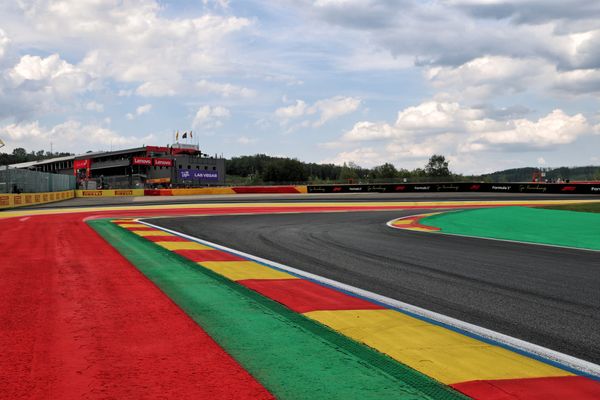
"I wish we could," he said at the Belgian Grand Prix media day. "We're not.
"It's one of the top priorities on my job list. To be able to fund this team so that we can operate at the budget cap. Because that's the baseline, right? We should be achieving that first off."
Haas's status and spending level is a topic of conversation again as its lively start to the season with its VF-26 has cooled off considerably as midfield rivals brought more upgrades and more potent upgrades.
"If you looked at last year, the regulations were incredibly mature - and across the year, we didn't really add much performance to the car, but we brought them [the upgrades] at the right time and everybody was adding small amounts," said driver Ollie Bearman.
"But now if you look at the gradient of development, it's much higher. People are bringing massive overhauls to their cars almost on a weekly basis. If you look at the front teams, it's quite impressive how much they're able to bring and the rate of development they're able to achieve.
"First of all, that's something that we simply couldn't do. But second of all, I think looking compared to our competition, we've just been overtaken in terms of development. We haven't bought enough to the car compared to them. On top of that, what we've bought to the car hasn't really worked, let's say.
"I think this type of new era, where the [development] rate is very high, it exposes us a little bit in terms of our weaknesses. Last year, that wasn't the case, because the development rate was not even a quarter of what it is now."
Komatsu disputed Bearman's suggestion that the upgrades haven't worked - but not the wider point that Haas is being outdeveloped.
"That's not a reflection of, let's say, the incapability of our guys. I think our guys are doing, honestly, a fantastic job," he stressed. "Anybody who knows about Formula 1, knowing our size and resource of the team, and then producing what we are producing, I think they will understand this statement.
"I think they [Haas staff] are very capable. They work as a team. The communication is clear. No-blame culture. I think the culture is getting there and the capability is there.
"But I'm not, so far, being able to give them enough ammunition for our guys to show what they're capable of.
"What they produced at the beginning of this year is completely… what's the right word? 'Unexpected'. You cannot expect the smallest team to be performing the way that we've been performing at the beginning of the season in the year of the biggest regulation change.
"And that's not sustainable for us. So it's not a reflection of our guys. It's more a reflection on my side. I need to be able to get better revenue to this team and provide a better environment for our guys. Then once we've done that, we've got the guys to do it. We've got the drivers to do it. So I'm sure we can come back. But those things take time."
The biggest question surrounding Haas, which debuted in 2016 under a slimmed-down model of taking as many components as permissible from Ferrari, had long been whether team owner Gene Haas was investing enough.
It was the catalyst for Haas's split with previous team principal Guenther Steiner, who Komatsu succeeded.
Komatsu said he planned for the team to operate at the budget cap "as soon as possible".
"It's not like I just started working on it. We've been working on it. So we're having some very good conversations. But really, honestly, it's not fair on our guys to have that constraint.
"It's like they're fighting with both hands tied. But then when they see our lack of performance or struggles in places like Miami, Barcelona, Spielberg, Silverstone, nobody's hiding from it. Everybody's just talking, 'OK, what's the problem? How have we missed it? How have we got into this situation? How are we going to improve?’ And that's something I really respect.
"So I'm really just determined just to give them the environment they deserve."